 Tommy Shelby isn’t done. Not even close.
After six seasons of slow-burn power plays, political chess matches, and cigarette smoke thick enough to choke a horse, the Shelby saga makes the leap to film with Peaky Blinders: The Immortal Man — and it looks like it’s trading patience for impact.
This isn’t a reunion. It’s a reckoning.
Bigger Screen. Bigger War. Bigger Consequences.
Cillian Murphy returns as Tommy Shelby — colder, leaner, and carrying the weight of an empire that may finally be cracking under him. If the series was about building power, the film feels poised to ask what that power actually costs.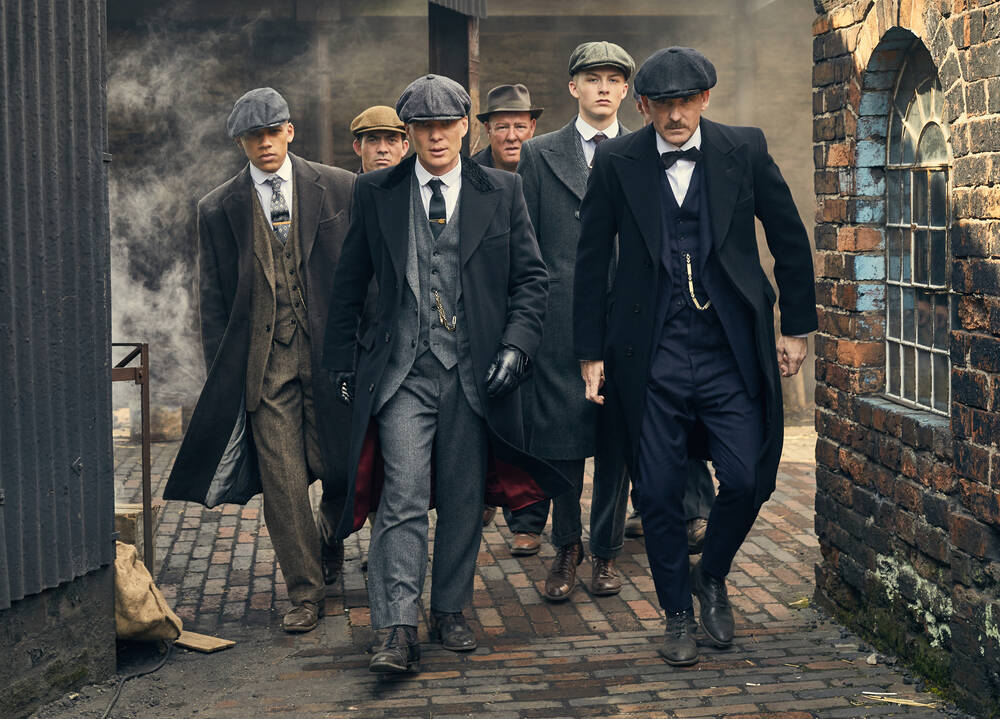
The title alone is a warning. “The Immortal Man” sounds triumphant. It probably isn’t.
Creator Steven Knight always envisioned ending this story on a cinematic scale, and now he gets exactly that. The stakes reportedly stretch beyond Birmingham, into a Europe sliding toward chaos. Political extremism. Global tension. The sense that history itself is closing in.
Tommy has survived bullets, betrayals, and his own mind. But survival isn’t the same as winning.
The Shelby Legacy Hits Different Now
Part of what makes this move to film feel earned is timing. Peaky Blinders grew from cult British drama into global obsession — influencing fashion, soundtracks, and a generation of anti-hero worship.
Now it returns sharper.
Expect:
Brutal, compressed storytelling
Cinematic set pieces instead of slow-burn maneuvering
Familiar faces — but no easy nostalgia
And at least one monologue that lands like a threat wrapped in poetry
This won’t be comfort viewing. It’ll be confrontation.
20 March: Mark It
When Peaky Blinders: The Immortal Man drops on 20 March, it won’t just be a continuation. It’ll be the Shelby myth tested under brighter lights and higher stakes.
If this is the end, it’s going out on its feet.
If it’s not? God help whoever stands in Tommy Shelby’s way.
Because immortality, in this world, usually comes with a body count.