Dropped on Netflix this Valentine’s Day, Blue Moon is the exact opposite of a cozy date-night watch. It doesn’t flirt with you. It doesn’t try to charm you. It just sits there, cigarette in hand, staring into the void — and somehow dares you to look back.
The film unfolds over a single evening in 1943, inside the legendary Sardi’s restaurant. At the center is lyricist Lorenz Hart, caught in a spiral of ego, regret, wit, and whiskey. There’s no dramatic plot machinery grinding away in the background. No ticking clock. No grand reveal. Just conversations — layered, sharp, sometimes uncomfortable.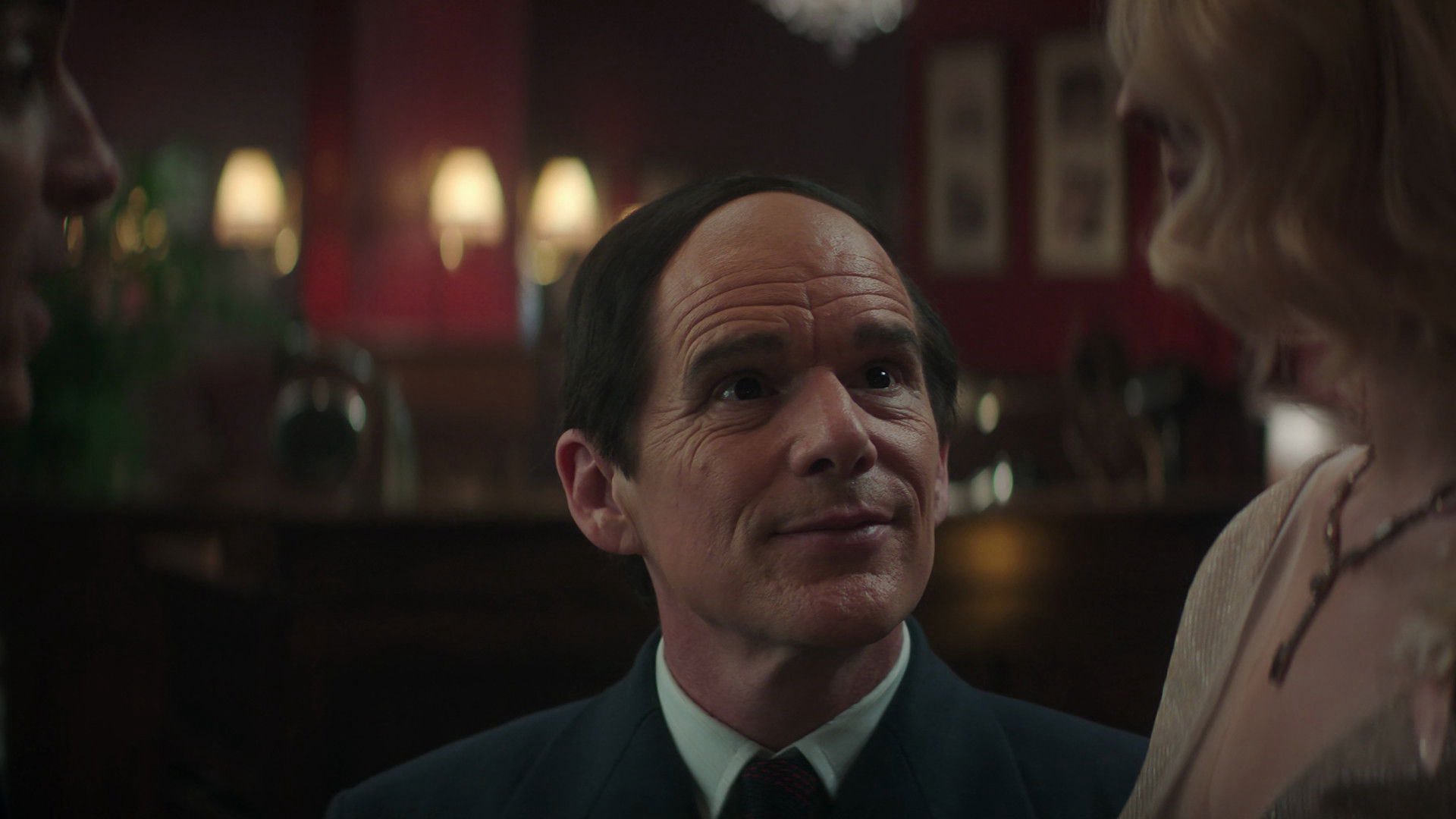
Ethan Hawke doesn’t “perform” here in the traditional sense; he inhabits. His Hart is magnetic but exhausting, brilliant but brittle. One minute he’s the smartest man in the room, the next he’s painfully aware that the room might be moving on without him. Hawke lets the insecurity leak through the charm, and that tension is what keeps the film alive.
Director Richard Linklater keeps the camera patient and observant. He trusts the writing and the actors enough not to over-style anything. The result feels almost theatrical — like you’ve got a front-row seat to a slow emotional unravelling.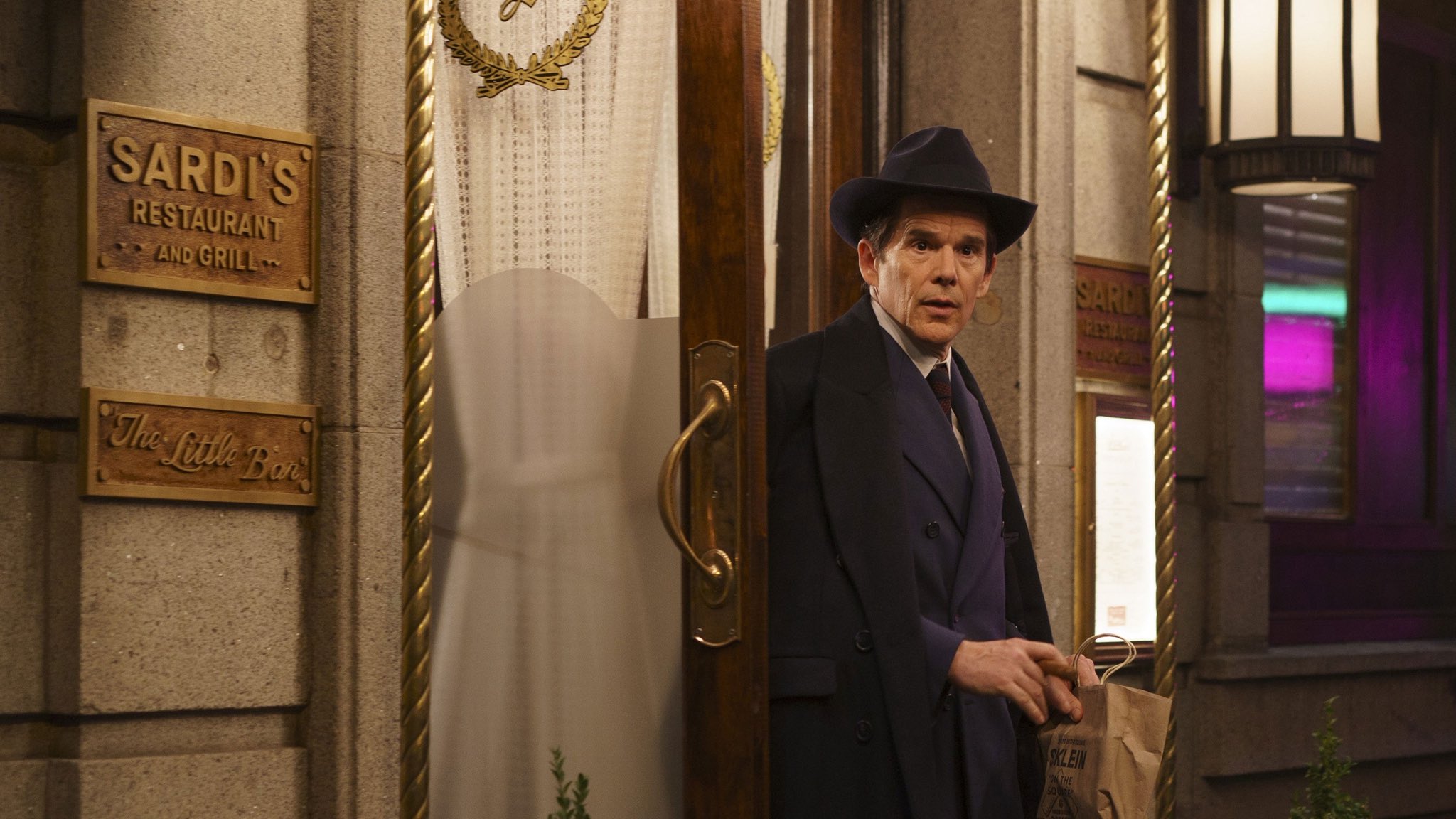
Fair warning: this is a dialogue-driven film that doesn’t hold your hand. It lingers. It repeats itself intentionally. It lets silences stretch. For some, that will feel indulgent. For others, it’s precisely what makes the experience immersive.
What works best is the mood — smoky, nostalgic, slightly tragic. It captures that specific ache of being talented and terrified that your moment has passed.
Final Word: Blue Moon isn’t designed for mass applause. It’s intimate, introspective, and occasionally uncomfortable. But if you’re in the mood for a character study that values emotional truth over spectacle, this one quietly earns your attention.